

Seagate FireCuda 520N 2TB
Don't like the alternatives?
Choose from the full offer
Seagate FireCuda 520N 2TB
Many professionals believe the SSD represents a revolutionary solution that can even speed up older PC systems. This Seagate SSD is just what you need if you want to give your computer a significant speed boost and improved response. The Seagate FireCuda 520N 2TB solid state drive model is designed for The SSD has a storage capacity of 2000 GB for your OS or files. This extraordinary capacity makes it ideal for data centres. The variant is equipped with the M,2 (PCIe 4,0 4x NVMe) interface. The maximum power consumption of the SSD is 3,8 W.
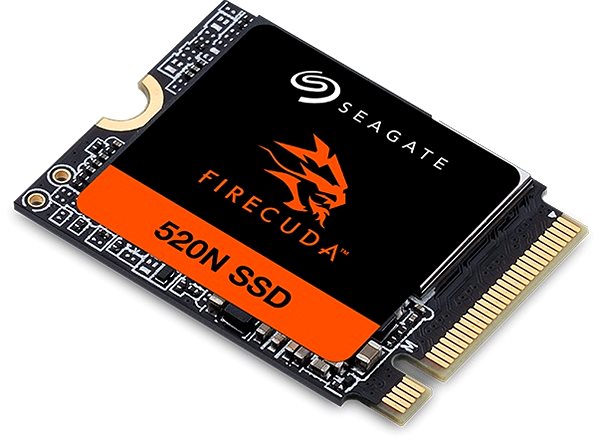
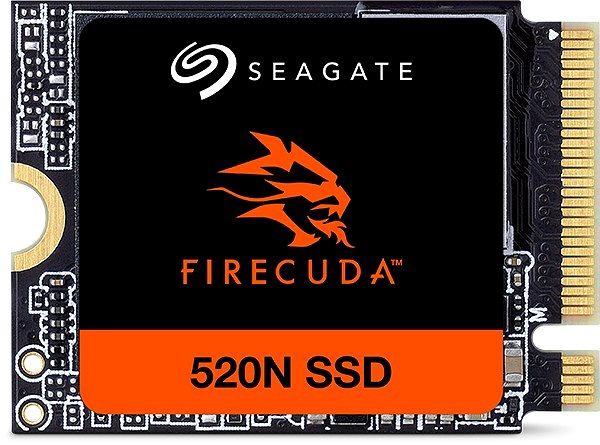
Seagate FireCuda 520N 2TB SSD Key Features
- Seagate FireCuda 520N 2TB SSD uses the M,2 2230 format
- SSD average power consumption: 3,8 W
- SSD maximum power consumption: 3,8 W
- SSD resistant to bumps and shocks caused by standard handling
- SSD has M,2 (PCIe 4,0 4x NVMe) internal interface
What Makes the SSD So Popular?
The SSD introduced a dramatic boost in performance for all kinds of electronic data devices. The key to its success lies in the absence of any moving parts and a very different data handling system. This translates to better durability and improved resistance to shocks and bumps. Another neat feature of the SSD is quiet operation and greatly reduced power consumption. For most SSD models, the manufacturer lists their endurance in terabytes written (TBW). The Seagate FireCuda 520N 2TB SSD drive has a TBW of 450 TBW.
Specifications
Type and capacity
Series
Utilisation
Features
Disk service life
Consumption
Dimensions
Weight
Colour
| Code: | FP652f016 |
| Links: | Producer's Website: |
| Manufacturer information |
Seagate Technology (Netherlands) B.V., Tupolevlaan 105, 1119 PA Schiphol-Rijk, Netherland http://www.seagate.com/legal/eu-gpsr-contact-us Seagate is headquartered in the famous Silicon Valley. It is a world leader in the manufacture and sale of hard drives for desktop computers, laptops and other devices. Seagate products are focused on maximum reliability in data storage. Year after year, their storage capacity, transmission speeds, and price-storage ratio improve, in step with the constantly growing amount of data in the world. 
|